
LGBTQ THERAPY: A SPACE FOR QUEER AND TRANS FOLKS TO JUST BE
become your most authentic self
A shared space with a queer therapist. Experience LGBTQ affirming therapy that embraces all of your identities, free from judgment or expectation.
LGBTQ Therapy

finding your voice and owning your journey, exactly as you are

As far as our community has come, it can still feel difficult to genuinely feel pride in our identities. Whether it’s navigating the outside judgment of who we are, or untangling the internalized views after years of absorbing society’s negative messages, the weight is real.
Living with chronic minority stress means our community faces much higher rates of depression, anxiety, and trauma. These unique mental health stressors may stem from family or social rejection, systemic barriers, internalized stigma, or the constant, exhausting fear of discrimination. It can look like feeling behind on your own life timeline, or just being downright confused.
I want you to know that wherever you are in your journey, you are right on time and you are welcome here.
Does any of this sound like you?
You might feel confused, or questioning a long-nagging feeling about who you are or where you fit. Maybe you’re still wrestling with the residual pain of growing up in an environment where you had to hide or minimize your truest self just to stay safe. Or perhaps you have just begun the journey toward living your truth, and feel like you're riding an emotional rollercoaster. If you are tired of carrying this alone, LGBTQ therapy can help.

LGBTQ Therapy can help with the following:
Questioning your identity later in life: "Late bloomer" or queer-curious, explore gender or sexuality on your own timeline
The layers of "coming out": Sharing your truth with others—but first, with yourself
Past rejection trauma: Healing from the pain of family, social, or cultural rejection
Early-stage transition support: Navigating the unique mix of fear, uncertainty, and excitement
Gender-affirming care coordination: Collaborating to provide clear, affirming assessment letters for medical care
Increasing sense of belonging : Battling imposter syndrome, feeling "behind", or not fitting in
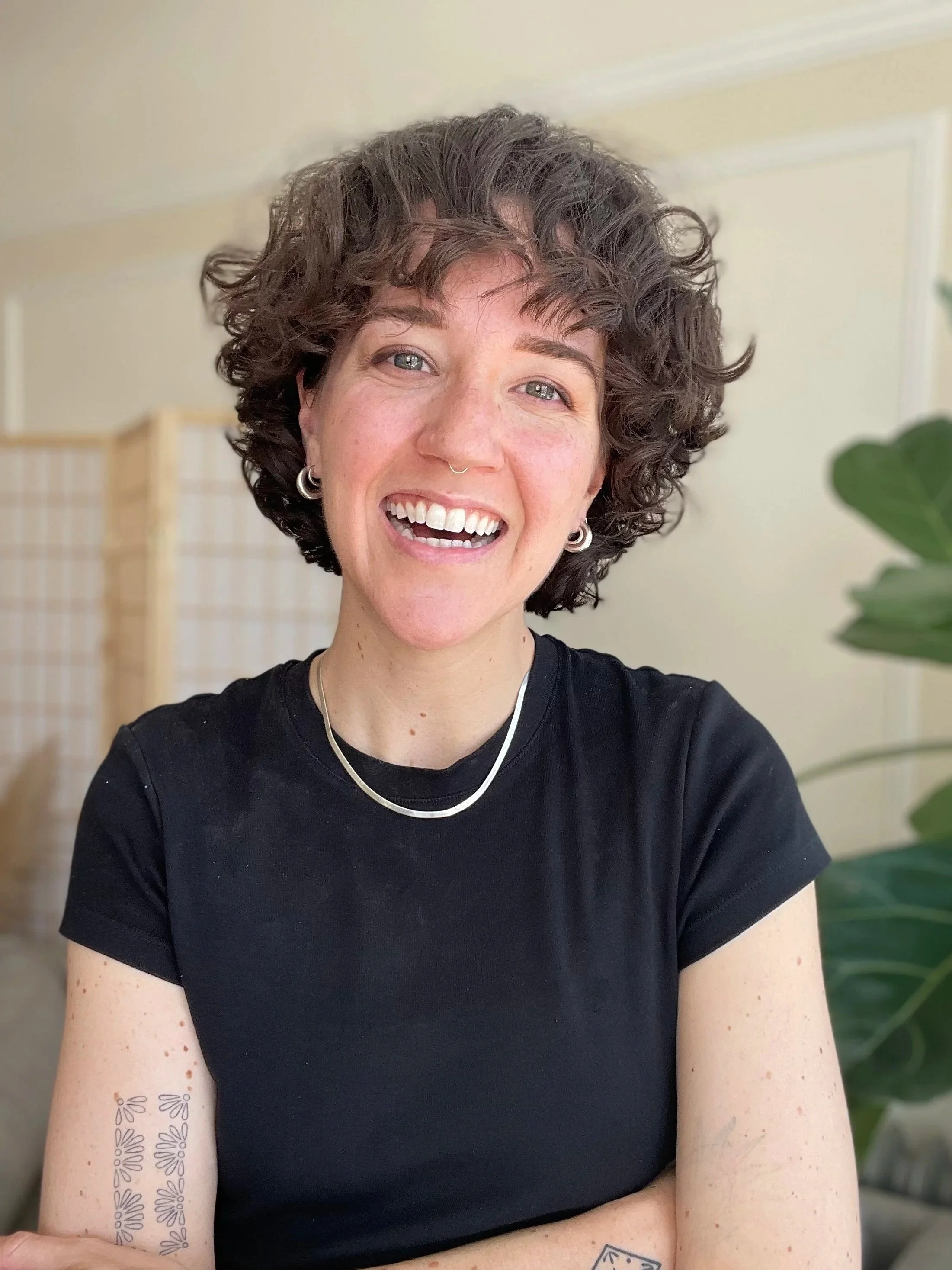
My own journey started here too
I personally discovered my own queer identity in my 30s, sitting across from a therapist who created a safe, soft landing for me to figure it out. I remember exactly how overwhelming and terrifying it felt at first. But with time, support, and permission to slow down, I learned to trust my own voice. Eventually, I was able to develop a more complete understanding of myself and live my most authentic life. That same relief and possibility are available to you.
Although we share this community and may have some overlapping experiences, I never assume I already know your story. Each one of us is unique, holding complex, intersecting identities. Together, we will take the time to safely drop the protective armor, quiet the self-doubt, and heal from past hurts. This is a space where you can let go of expectations and just be entirely yourself. Over time, you’ll begin to know yourself more fully, find your footing, and feel greater confidence in your truth.
You may still have questions about LGBTQ Therapy…
-
It means we don’t just tolerate or accept your identity; we actively celebrate it as a healthy, normal, and valuable part of who you are.
Traditional therapy has historically viewed queer identities through a lens of pathology. Affirmative therapy flips that. While we will address the very real impacts of minority stress, stigma, and systemic oppression, we operate from the baseline that your identity is a source of strength, not a problem to be solved or fixed.
-
Your identity is a part of your life, but it isn't the whole picture. We will talk about whatever is weighing on you.
If you want to process a coming-out experience or gender dysphoria, we absolutely will. But if you are here because your job is stressful, you’re grieving a loss, or you’re having trouble setting boundaries with your friends, that will be our focus. Your queer identity will always be respected here, but it doesn’t always have to be the focus of our work.
-
Yes. My work is informed by both professional training and lived experience as a member of the community.
Clinically, I have specialized training in sexuality- and gender-inclusive therapy, focusing on the unique minority stressors and systemic challenges LGBTQ+ folks face.
Personally, my lived experience means I understand the nuances of our community from the inside out. You won't have to translate your world here—I combine professional expertise with firsthand understanding to ensure you feel fully seen and supported.
-
Yes, entirely. I recognize that healthy, fulfilling relationships and lifestyles come in many configurations.
If you practice consensual non-monogamy, polyamory, or are active in the kink community, you can speak openly about your partners and experiences here. You will never have to explain or defend your relationship structure or lifestyle choices to me; instead, we look at how to build communication, safety, and joy within the structures that work best for you
-
Yes. I am fully trained and experienced in writing letters of support for gender-affirming medical care, including surgeries and HRT.
I follow the WPATH Standards of Care and operate from an informed-consent model, meaning I view my role as a collaborative partner rather than a barrier to your healthcare. If you are an ongoing client, we will integrate this seamlessly into our work at no additional charge.
If you only need a standalone letter, we can typically complete the assessment and draft it in 1 to 2 sessions—ensuring the process is transparent, efficient, and respectful of your time and autonomy.